From Turnaround Model to Business Strategy and Social Value Creation
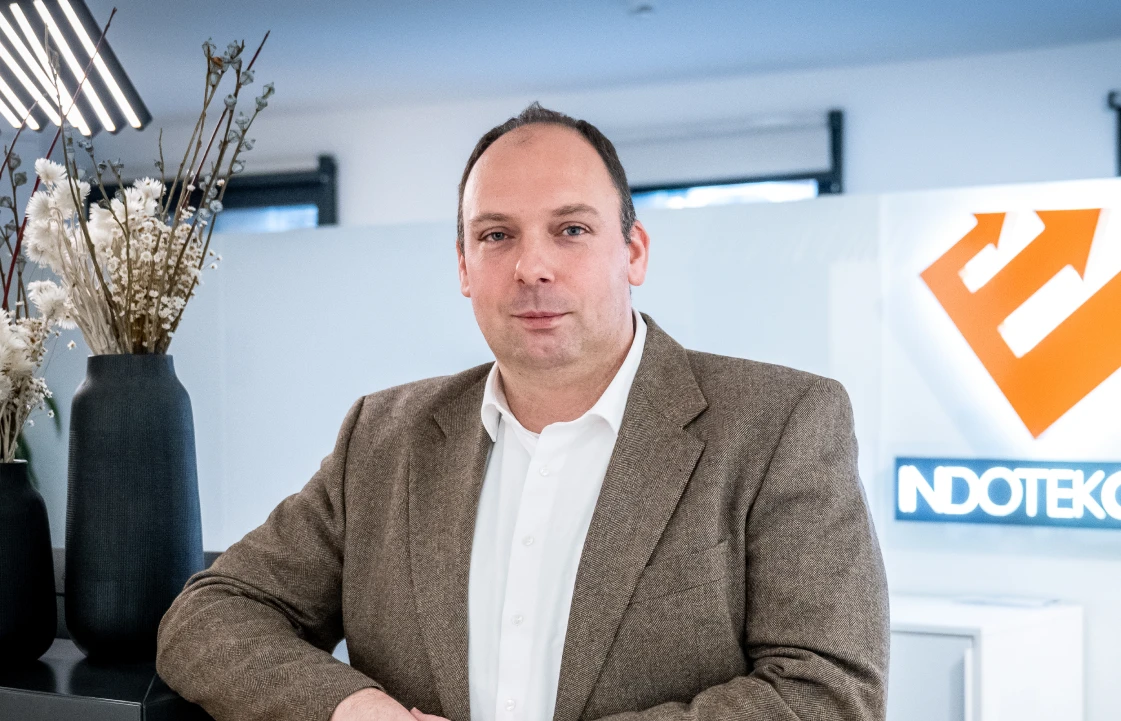
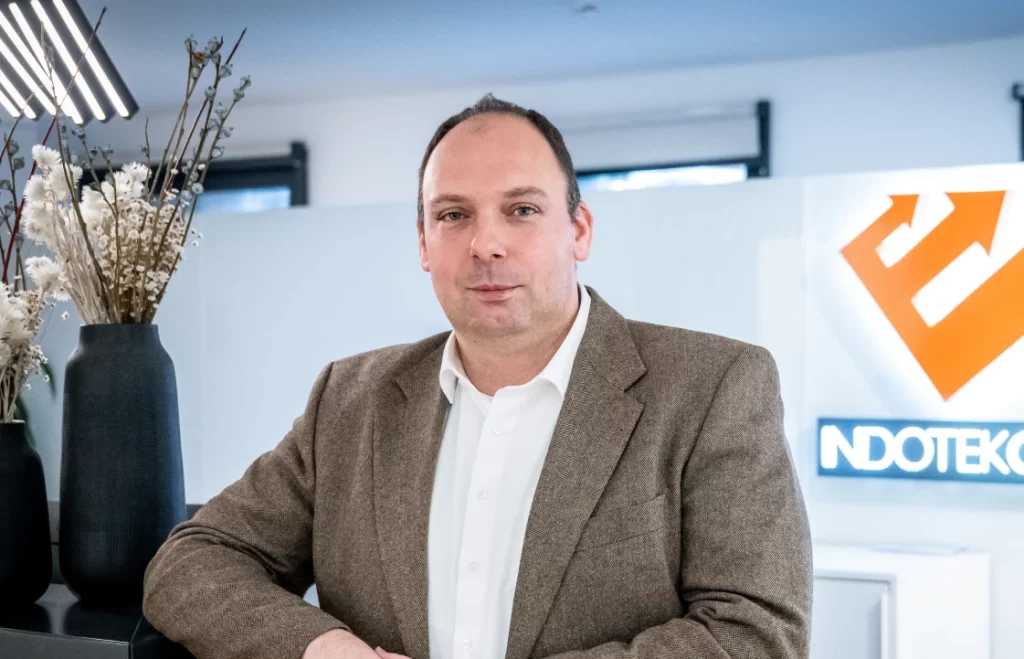
The Indotek Group views sustainability as a value-creation process through which aging or underperforming facilities can be transformed into high-quality real estate through renovation, repositioning, and changes in function. Its long-term strategy is also aligned with modern environmental and sustainability expectations. On the occasion of Global Recycling Day, we spoke with István Hüse, Head of Real Estate Development at the Group, about the corporate mindset that sees not waste in problematic properties, but reusable value.What does the turnaround philosophy mean in the case of Indotek Group?
This model originally started as an investment logic. The turning point came when, after several projects, it became very clear that what we gain commercially also creates value from a social and environmental perspective. Today we no longer separate these two aspects: profit was the starting point, while social value became the realization – and the responsibility. We work with properties that are underperforming for some reason: they may be outdated, functioning poorly, or their original purpose may no longer meet market demands. In every case, we look for the opportunity. Our goal is to uncover the hidden value of a given property, reposition it, and transform it into a project that operates sustainably in the long term. We also place strong emphasis on supporting the communities living around the properties we manage, as well as contributing to the development of the immediate region.
What advantages lie in the sustainable renewal of older buildings?
In many cases, the underlying structure of a building, its location, or the surrounding infrastructure already represents significant value. If these elements are preserved and complemented with modern technologies and new functions, the property can be given an entirely new life. This approach is not only economically rational but also more resource-efficient from an environmental perspective than a complete demolition and a new construction: it requires less energy, reduces waste and carbon emissions, and extends the lifecycle of buildings. A renovated office building therefore becomes not only a higher-quality asset for tenants but also a project that involves less waste. When a brownfield site is transformed into a new urban district, it is not merely a development project but a form of urban regeneration. Such initiatives create economic value, help stabilize the market, preserve workplaces, and retain the embodied carbon stored in existing structures – that would otherwise be lost through full demolition.
How does the company approach aging or underperforming properties?
The first step is a comprehensive assessment of the property. We determine what elements can be preserved, what can be transformed, and where hidden value lies –whether in the location, the structure, the tenant mix, or the existing function. This is followed by repositioning. In many cases, we do not necessarily retain the original function; instead, we align the property’s future use with its inherent potential.
During the modernization phase, we carry out extensive energy-efficiency and technical upgrades. These include modernizing electrical networks, installing LED lighting, introducing renewable energy solutions such as solar panels, and upgrading mechanical systems. These improvements deliver measurable results in terms of efficiency and sustainability. Finally, through a potential change of function – for example, transforming an industrial site into a residential area – and by improving operational quality, we ensure that the property becomes attractive again. The newly created residential units offer modern and sustainable living spaces, offices provide a more advanced working environment, and retail areas deliver greater comfort. In this way, refurbishment creates value not only economically, but also socially and from the user’s perspective.
What tangible results have these developments delivered?
Between 2020 and 2021, we implemented more than a dozen energy-efficiency investments, with a total value of approximately HUF 500 million. As a result, we have been able to save around 220,000 cubic meters of natural gas and more than 670 MWh of electricity annually. This translates into an annual reduction of roughly 600 tons of carbon dioxide emissions. The results clearly demonstrate that modernization pays off not only from an environmental perspective but also from an economic one.
A change of function is a key element in many Indotek Group projects. How do you decide what new role a property should take on?
We always assess which function is most justified by the characteristics of the location and the building itself, taking market demand into account. In some cases, a former industrial or office function may no longer operate efficiently, while the property may be perfectly suited for residential or other uses. Our goal is to ensure that the property’s new purpose fits the urban environment and the needs of its users in the long term.
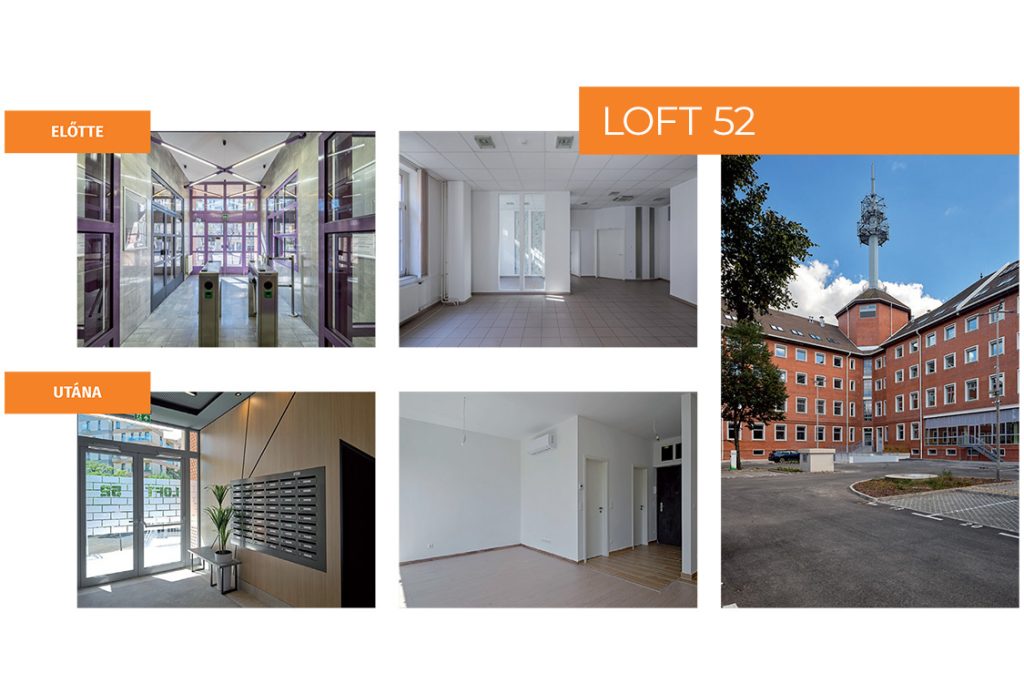
One such project is LOFT52 in Budapest’s 13th district, where an office building was transformed into a residential property. What makes this development special?
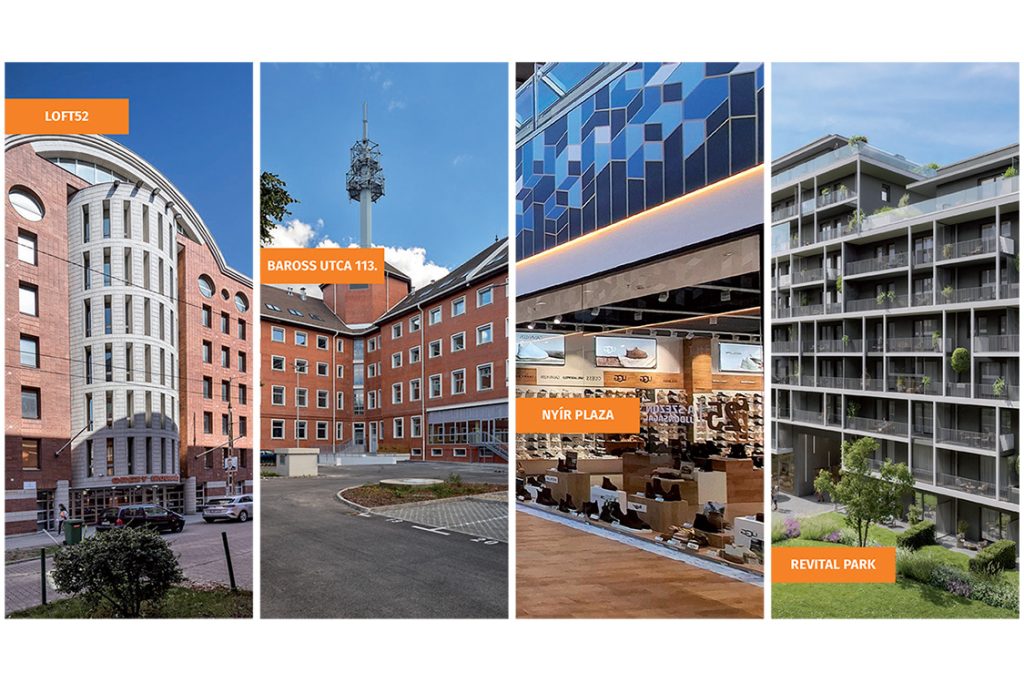
The 118-unit, mixed-use LOFT52 property is a good example of how an existing building in an excellent location can be converted into a modern living environment. The building’s classic exterior appearance has been preserved, while the interior spaces have been fully modernized. The implemented energy-efficient solutions — such as the VRF heating and cooling system, modern thermal insulation, and triple-glazed windows – ensure low utility costs and a high level of comfort for both residents and office owners.
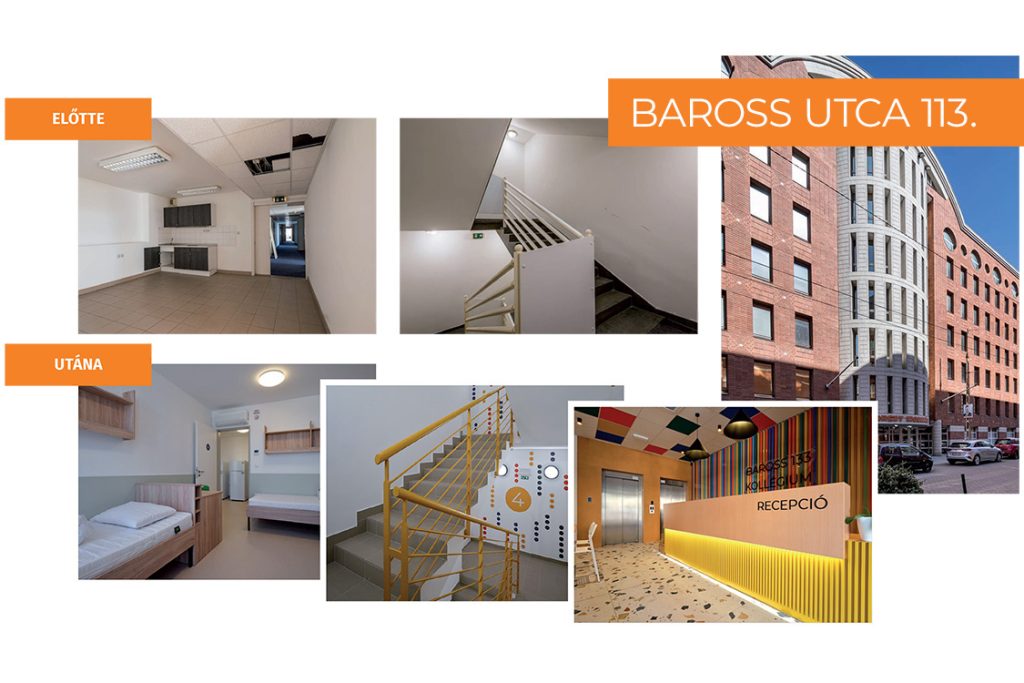
In the case of the Baross Street project, an office building was converted into a student dormitory. Why was this transformation logical?
The urban location and the building’s characteristics made it ideal for a dormitory function. The development resulted in a facility that provides more than 200 beds for college and university students, with private bathrooms for each room, as well as shared kitchens and community spaces. This project is also a good example of how an existing building can be successfully adapted to meet the needs of today.
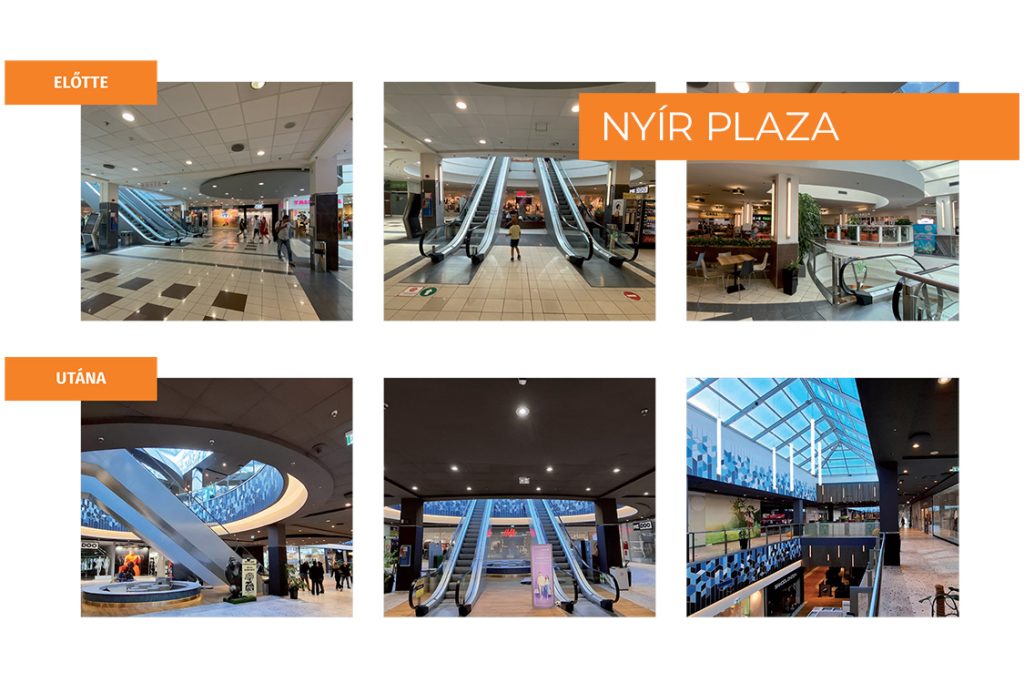
The renovation of Nyír Plaza is one of the flagship projects of the Group’s shopping center modernization program. What was the main objective of the development?
The goal was to ensure that the shopping center would be modern in appearance, energy-efficient, and attractive to visitors at the same time. The upgrades included the complete renewal of the lighting system with LED fixtures and custom LED decorative lighting, the modernization of mechanical systems, the installation of solar panels, and the full refurbishment of interior spaces and community areas. As a result, the building now operates more efficiently while also offering a more enjoyable experience for visitors.
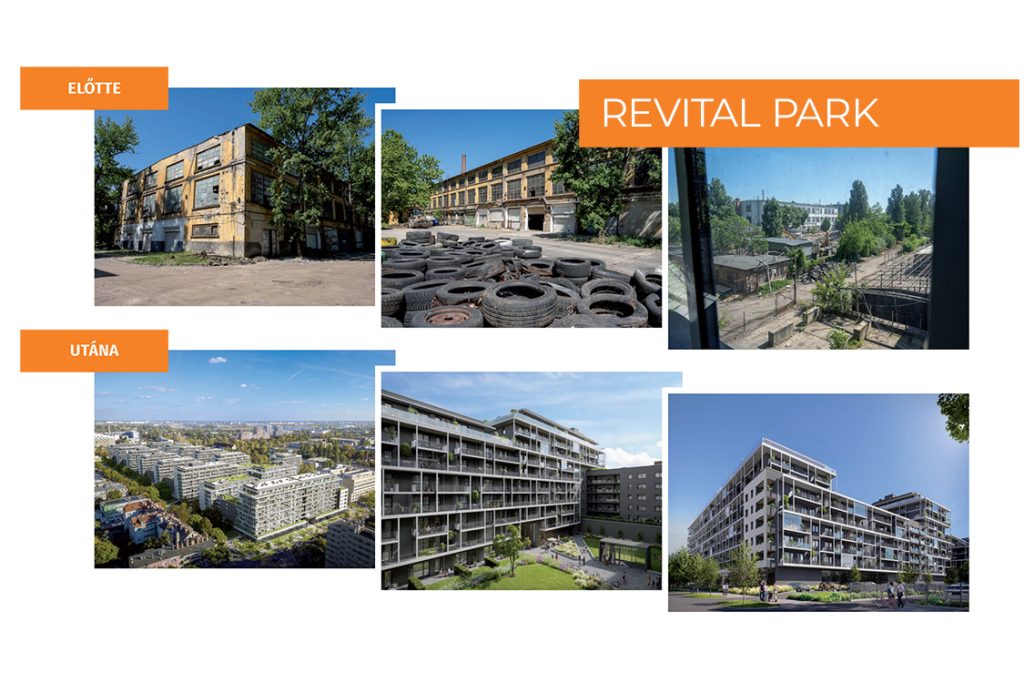
Revital Park in Budapest’s 11th district will be a new residential neighborhood created on a former industrial site. What makes this project special?
Revital Park is a large-scale brownfield development that will eventually provide homes for more than 2,000 apartments. The project is based on the concept of the “15-minute city,” meaning that everyday services are accessible within a 15-minute walking distance.
The development also places strong emphasis on green spaces covering more than 22,000 m², energy-efficient solutions, and renewable energy sources, such as solar power systems and ground-source heat pump systems using geothermal probes. With the help of the solar panels, the project will be able to generate approximately 70,000 kWh of electricity annually, while community electricity consumption is expected to decrease by at least 10 percent.
How do you see the future of real estate development?
In my opinion, the focus in the future will be on renovating and revitalizing existing buildings. Sustainability, energy efficiency, and adaptation to the urban environment will all be key priorities, and recycling and reuse are also expected to play an even larger role in future real estate developments.